
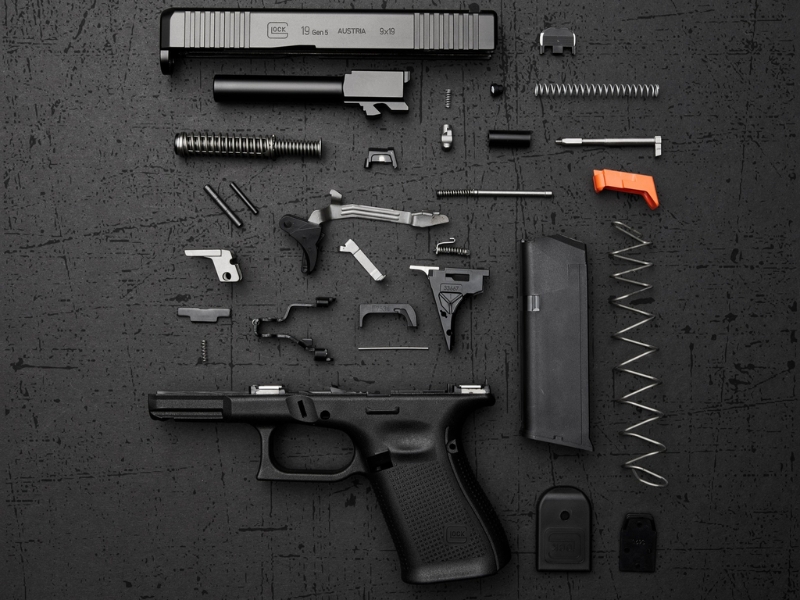
A stock Glock slide does its job. For a lot of shooters, that is enough – until they want faster dot acquisition, a lighter cycling feel, cleaner front-end balance, or a build that looks as serious as it performs. That is where aftermarket Glock slide benefits become more than cosmetic talking points. The right slide can change how your pistol tracks, how it interfaces with an optic, and how confident you feel behind the gun.
The key is knowing what an aftermarket slide actually improves, and what depends on the rest of your setup. A slide upgrade is not magic. It is a performance and fitment decision that can make a noticeable difference when matched correctly to your Glock model, generation, optic choice, and intended use.
When shooters talk about upgrading a Glock slide, they are usually chasing one or more of four things: better optics compatibility, improved handling characteristics, reduced weight, and a more refined visual finish. Those are real advantages, but they are not all equal for every shooter.
For a concealed-carry owner, the biggest gain may be a direct-mounted red dot cut that sits lower and presents faster. For a range shooter building out a Glock 17 Gen 3, the benefit may be better balance and easier manipulation from enhanced serrations. For a competition-minded owner running a Glock 34, reducing reciprocating mass may matter more than looks. The benefit depends on the job.
An aftermarket slide also gives you more control over your build. Instead of adapting your preferences to a factory configuration, you can choose a slide cut, serration pattern, finish, window layout, and optic footprint that matches how you actually shoot.
One of the strongest aftermarket Glock slide benefits is optics readiness that feels purpose-built instead of added on later. Many shooters want a red dot, but they do not want a tall, awkward setup or a loose fit caused by generic mounting solutions.
A quality aftermarket slide can be cut for specific optic footprints, which often allows the optic to sit lower in the slide. That lower position helps with faster sight presentation and can make co-witnessing with iron sights easier, depending on your configuration. It also tends to create a cleaner, more stable interface than a one-size-fits-all approach.
This is especially important for buyers comparing MOS-style systems to dedicated milled slides. MOS setups offer flexibility, which has value if you expect to switch optics later. A dedicated optic cut usually offers a more exact fit and lower mount height for one footprint. Neither option is automatically better. If you already know the optic you plan to run, a model-specific aftermarket slide can be the more performance-focused choice.
A slide is not just the top half of the gun. It is one of the main contact points during charging, press checks, and malfunction clearance. Factory slides are functional, but aftermarket options often improve real-world handling through more aggressive front and rear serrations.
That matters more than many buyers expect. Under sweat, gloves, range heat, or time pressure, grip texture on the slide becomes a practical issue, not a style preference. Well-cut serrations can give you better purchase without feeling overly sharp.
There is also a balance component. Some aftermarket slides use window cuts or refined machining to remove weight from the top end. Done properly, that can affect how the pistol cycles and tracks under recoil. Some shooters notice a flatter feel or faster return to target, especially when the slide is paired with the right barrel, recoil spring, and ammunition.
This is where trade-offs come in. Reducing slide mass can improve responsiveness, but if you go too aggressive without considering the rest of the system, you can create reliability issues. A carry gun should be tuned with a different level of caution than a competition build. Performance matters, but reliability still owns the final vote.
One of the most talked-about aftermarket Glock slide benefits is weight reduction. Machined pockets and window cuts are not only there for appearance. They can reduce reciprocating mass, which changes how the slide moves during firing.
In practical terms, a lighter slide may cycle faster and feel more responsive. Some shooters describe the effect as a snappier but quicker-returning recoil impulse. Others experience better tracking with a red dot because the gun settles back on target sooner. The exact result depends on your ammo, recoil spring setup, and overall build.
For everyday shooters, the takeaway is simple: weight reduction can help performance, but it is not a standalone upgrade. A slide that is too light for your setup can become ammo-sensitive. A slide that is well-designed for your intended use can make the pistol feel sharper, faster, and more refined.
That is why serious Glock owners look at slide design and fitment, not just cut patterns. Precision machining matters. So does the reputation of the manufacturer.
A good aftermarket slide should do more than look clean in product photos. It needs to hold tolerances, run reliably, and stand up to hard use. This is where buyers should think beyond styling and pay attention to craftsmanship.
Slides built with tight machining standards and quality coatings tend to offer a more premium feel in the hand and better long-term wear resistance. Finishes such as DLC or nitriding can help protect against holster wear, moisture, and repeated handling. For many owners, that matters just as much as the initial appearance.
There is also the fitment issue. Glock owners often run into confusion when comparing slides across models and generations. A Glock 19 Gen 3 slide is not a universal answer for every compact build. Barrel compatibility, recoil assemblies, internal parts, and optic cuts all need to line up correctly. Precision matters here because small mismatches become obvious fast.
That is one reason specialized retailers like Glock Mos Slide Shop matter to buyers who do not want to guess their way through a build. Model-specific knowledge is part of the value.
Some shooters try to separate performance from appearance as if one is serious and the other is not. In reality, custom styling is one of the legitimate aftermarket Glock slide benefits because it lets the owner build a pistol that feels intentional.
A well-designed slide with clean machining, matching barrel exposure, and a durable finish gives the firearm a more complete identity. That may not tighten your group by itself, but it can improve pride of ownership and make the build feel worth the money you put into it.
For enthusiasts, visual customization is part of the firearm experience. Window cuts, serration profiles, color finishes, and branding details all contribute to that. The important point is choosing style that does not come at the expense of function.
The answer depends on how you use your Glock. Competitive shooters often benefit from slides designed around optics, reduced weight, and fast manipulation. Concealed-carry users may value a dependable optic cut, durable finish, and clean sight picture over aggressive weight savings. Range enthusiasts and hobby builders often want the freedom to create a more personalized, premium setup.
If your factory slide already does everything you need, there is no reason to force an upgrade. But if you want to run a dot properly, improve the feel of slide manipulation, reduce top-end weight, or build a pistol that looks and performs at a higher level, an aftermarket slide makes sense.
The biggest mistake is buying based only on appearance or price. The smarter move is to start with your goal. Are you building for carry, competition, range use, or a showcase custom? Once you know that, the right slide features become much easier to identify.
Start with exact model and generation compatibility. That comes first. After that, look at optic cut type, slide mass, serration design, finish quality, and whether the slide supports the kind of shooting you actually do.
If you are carrying the pistol, prioritize reliability, durable coatings, and practical optic fitment. If you are building a range or competition gun, you may have more room to explore aggressive cuts and weight reduction. Either way, do not treat all aftermarket slides as equal. The machining quality, coating process, and design intent make a real difference.
A well-chosen slide can make your Glock feel more responsive, more modern, and more your own. The best upgrade is not the flashiest one. It is the one that fits your gun, your optic, and your purpose so well that every round reminds you why you changed it.