
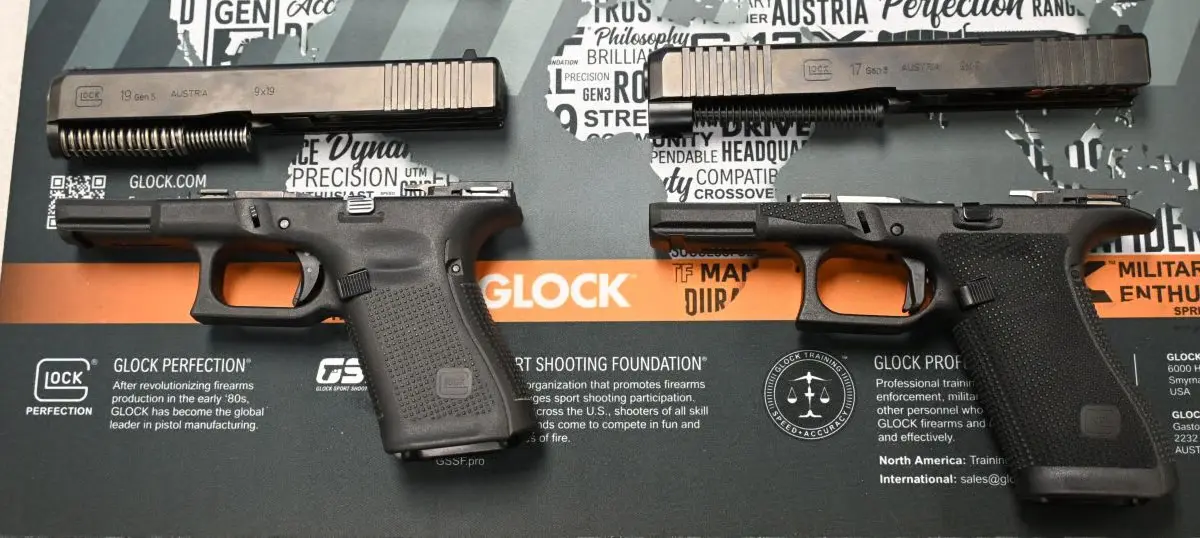
If you have ever tried to pair a slide and frame from different Glock generations, you already know the problem is not just “Will it go on?” The real issue behind glock slide compatibility by generation is whether the slide will fit correctly, cycle reliably, and preserve the performance Glock owners expect from a serious carry or range gun.
That distinction matters. A slide swap that looks close on paper can still create problems with recoil spring fitment, dust cover clearance, locking geometry, or parts compatibility. For shooters upgrading to an optics-ready setup or replacing a factory upper with a custom cut slide, generation details are not a minor footnote. They are the difference between a clean build and a headache.
Glock kept the overall design language consistent across generations, which is great for brand loyalty but not always great for parts research. Many models look similar from the outside, and some dimensions stayed close enough that people assume slides are universally interchangeable. They are not.
The biggest reason for confusion is that compatibility happens on more than one level. There is physical fit, meaning the slide can mount to the frame rails. Then there is functional compatibility, meaning the recoil system, barrel, internals, and lockup all work together as intended. Finally, there is practical compatibility, which matters most to end users because it determines whether the pistol runs with the reliability expected from a defensive or competition platform.
When you shop for a replacement or upgraded slide, generation-specific fitment is the first filter that should narrow the field.
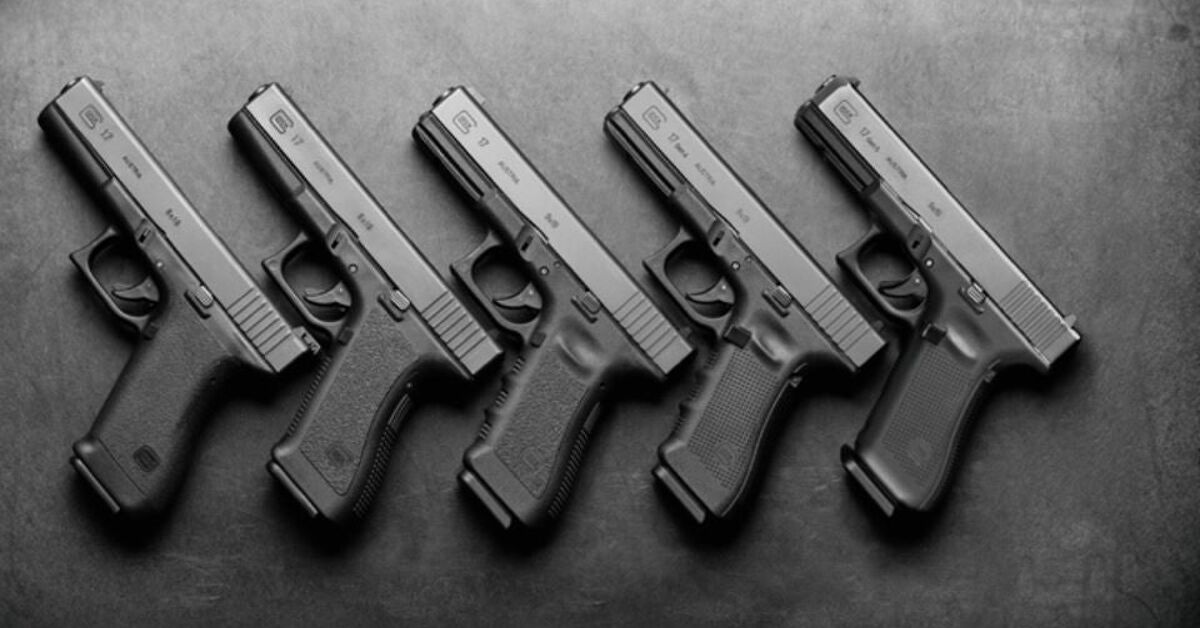
For most buyers, the conversation starts with Glock 17, Glock 19, and Glock 34 family pistols. Gen 3 remains a huge part of the aftermarket, largely because of its long production run and broad support from custom slide manufacturers. Gen 4 introduced a dual recoil spring assembly on many models, which changed the front-end dimensions enough to affect slide and frame compatibility. Gen 5 brought another layer of changes, including revised internals and slide profile updates on some variants.
On a basic level, Gen 3 slides are often the easiest to source and build around, but that does not mean they are the right answer for every frame. Gen 4 slides are designed around Gen 4 recoil assemblies and frame geometry. Gen 5 slides add another shift, especially when you factor in ambidextrous slide stop cuts and internal differences.
That is why slide listings that specify the exact model and generation are not being overly cautious. They are saving you from mismatched parts.
Gen 3 slides are the aftermarket workhorses. A large percentage of custom Glock slides, window cuts, serration patterns, and optic-ready options are still built around Gen 3 specs. For a Gen 3 frame, that usually makes the buying process straightforward.
Where people get tripped up is assuming a Gen 3 slide will drop onto a Gen 4 or Gen 5 frame without any trade-offs. In some cases, adapters or additional parts can make cross-generation setups possible, but possible is not the same as ideal. If your goal is defensive reliability or match consistency, a purpose-built slide for your exact generation is the better path.
Gen 4 slides were built to work with the larger dual recoil spring assembly used on Gen 4 pistols. That front-end change is one of the biggest reasons Gen 4 compatibility questions come up so often. A Gen 4 slide is not just a Gen 3 slide with a different label. The recoil system interface matters.
For buyers running a Gen 4 Glock 17 or Glock 19, the safest move is to stick with a Gen 4-specific slide. That keeps recoil spring compatibility simple and reduces the chances of chasing fitment issues after the fact.
Gen 5 is where compatibility becomes even more generation-sensitive. Glock updated internal geometry and controls, and those changes matter when you start mixing components. Some Gen 5 slides also use different internals than earlier generations, which means even if a frame and slide look close, the parts ecosystem may not be.
Gen 5 owners should be especially careful with aftermarket slide selection. A slide marketed for earlier generations may not deliver the clean fit, control compatibility, or long-term reliability you want on a Gen 5 pistol.
One of the easiest mistakes in glock slide compatibility by generation is focusing only on the generation and ignoring the model. A Glock 17 slide is not interchangeable with a Glock 19 slide just because both are Gen 3, Gen 4, or Gen 5. Slide length, barrel length, recoil system dimensions, and frame dust cover geometry all come into play.
That means every slide purchase starts with two questions, not one. First, what model is the frame? Second, what generation is it?
This sounds obvious, but it is where a lot of bad buys happen. Someone sees a quality slide with the right optic cut and assumes it will work because it matches their generation. If it is cut for the wrong model family, you are still in the wrong lane.
For many shooters, the real reason to upgrade a slide is optics readiness. That is where compatibility gets more practical. Factory MOS pistols offer one route, while aftermarket milled slides offer another.
If you are comparing a factory MOS setup to a dedicated aftermarket optic-cut slide, there is a trade-off. MOS gives you flexibility across multiple optic footprints, but it usually relies on adapter plates. A direct-milled slide is often a more performance-focused choice because it can provide a lower optic seating position and a tighter, cleaner interface. For shooters chasing fast dot acquisition and a refined sight picture, that difference matters.
But the slide still has to match the pistol correctly. An optic cut does not override generation fitment. A great RMR cut on the wrong generation slide is still the wrong slide.
This is where a specialized retailer like Glock Mos Slide Shop earns its value. Buyers are not just shopping for a cosmetic upgrade. They are trying to match footprint, generation, model, and performance expectations in one purchase.
The smartest buyers slow down for five minutes before ordering. Check the exact Glock model, the exact generation, whether the frame is factory MOS or standard, and what recoil spring assembly the pistol uses. Then confirm whether the slide is stripped or complete, because internal parts compatibility can vary too.
You also want to consider your use case. A range build gives you more room to experiment. A concealed-carry pistol does not. If the gun needs to run every time with minimum drama, sticking to model- and generation-specific fitment is the strongest move.
Aftermarket tolerance stacking is another real-world factor. High-quality slides from reputable manufacturers are built for precision, but once you start mixing frames, barrels, recoil systems, and internals from different generations, small differences can add up fast. Sometimes a setup can be made to function. That does not automatically make it the best setup.
If you want the short version, here it is: match the slide to the exact Glock model and generation whenever possible. That is the cleanest route for reliability, easiest assembly, and better long-term performance.
Cross-generation combinations do exist, and advanced builders sometimes make them work. But those builds are usually project guns, not first-choice solutions for buyers who want dependable performance without trial and error. For most Glock owners, especially those upgrading to an optics-ready slide, the best answer is not the most creative answer. It is the most precise one.
There are cases where extra research is worth it. Polymer80 builds, serialized aftermarket frames, custom recoil systems, and mixed-generation parts kits can all shift the answer. The same goes for buyers piecing together stripped slides with separate internals. In those situations, compatibility is less about a simple yes or no and more about the entire build recipe.
That is why experienced Glock enthusiasts pay attention to fitment notes instead of skipping straight to finish color, window cuts, or brand name. Looks matter, but performance comes first. The right slide should enhance the pistol, not introduce doubt every time you chamber a round.
When you are choosing a Glock slide, precision starts before the trigger press. It starts with buying the right generation for the right frame, so the upgrade feels like a performance gain instead of a parts experiment.