
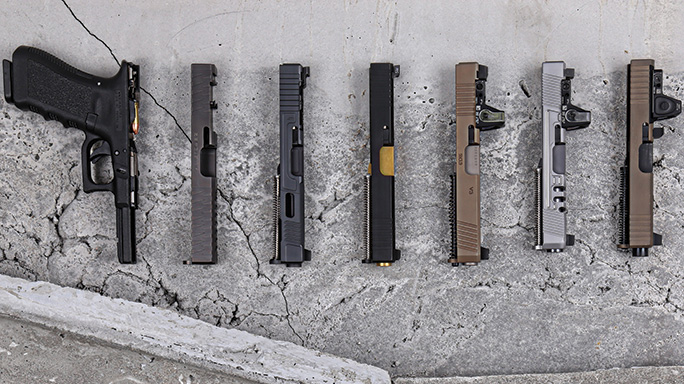
A Glock slide upgrade can either sharpen your pistol’s performance or create a fitment headache you never asked for. That is why so many shooters looking at american made glock slides are not just buying for looks. They are buying for machining quality, model-specific fit, optics compatibility, and the confidence that comes from parts built for serious use.
For Glock owners, the slide is not cosmetic fluff. It affects sight setup, optic mounting, recoil behavior, weight distribution, and how cleanly the pistol cycles under real shooting conditions. When the slide is well made, you feel it immediately. The pistol tracks flatter, optics sit correctly, serrations give you more control, and the whole gun feels more purpose-built.
The phrase gets used a lot, but for experienced shooters, American-made is not just a flag sticker. It usually points to tighter process control, more consistent machining, better material traceability, and support from brands that understand the US Glock market inside and out.
That matters because Glock owners are rarely shopping for a generic handgun part. They are looking for a slide cut for a specific model, a specific generation, and often a specific optic footprint. A Glock 19 Gen 3 slide is not the same buying decision as a Glock 17 Gen 5 upgrade, and a concealed-carry user often wants something different than a competition shooter building around a windowed slide and red dot.
American manufacturers tend to build around those exact use cases. They know buyers care about suppressor-height sight compatibility, RMR-pattern cuts, front and rear serration geometry, coating durability, and whether the slide will run well with standard internals or a tuned recoil setup. That level of market awareness shows up in the final product.
Not every premium-looking slide is actually a performance upgrade. Some win on styling and lose on execution. If you want a slide that earns its place on the gun, start with machining quality.
A well-machined slide should have clean internal dimensions, consistent rail engagement, properly cut optic pockets, and refined edges where it matters. Sloppy cuts can lead to mounting issues, premature wear, or reliability problems that get blamed on springs and ammo when the slide was the real issue all along.
Material and finish also deserve attention. Most quality aftermarket Glock slides are machined from stainless steel or similarly durable billet stock, then finished with a protective coating such as DLC, nitride, or Cerakote. The right finish depends on how the pistol is used. A range gun may leave more room for aesthetic preference, while a carry gun should lean harder toward wear resistance and corrosion protection.
Then there is the optic cut. This is where many buyers get stuck. Some want a true MOS-style setup for flexibility. Others want a dedicated milled slide because it usually gives the optic a lower, more secure mounting position. Neither is automatically better. It depends on whether you prioritize modularity or the cleanest possible direct-mount solution.
Optics-ready design is one of the biggest reasons shooters replace a factory slide. Red dots are no longer a niche setup. They are standard equipment for many carry pistols, home-defense guns, and match builds.
A quality optic-ready slide should do more than simply accept an optic. It should place the optic correctly, hold zero under recoil, and give you a mounting platform you trust over time. That means the depth of the cut, screw placement, recoil bosses, and compatibility with backup iron sights all matter.
There is also a practical difference between factory MOS and aftermarket milled slides. MOS systems offer flexibility if you plan to change optics down the line, but they add another interface into the system. A direct-milled slide often feels more refined because the optic sits lower and the setup has fewer variables. The trade-off is that you are committing to a footprint.
For a lot of Glock owners, that choice comes down to how settled they are on their red dot. If you already know your preferred optic pattern, a dedicated cut often makes more sense. If you are still experimenting, a more adaptable route may be worth it.
A sharp finish and aggressive windows will get attention, but fitment is what determines whether the upgrade actually improves the pistol. Glock platforms are famously straightforward, but they are still model- and generation-specific systems. The wrong slide, or even the right slide with the wrong assumptions about internals, can waste time fast.
That is why serious buyers should always check model and generation compatibility first. A Glock 17 Gen 3 build has different fitment requirements than a Glock 19 Gen 5 setup. Barrel compatibility, guide rod setup, and slide parts channel dimensions all need to line up with the intended configuration.
This is also where specialized Glock retailers have an advantage over broader accessory sellers. When a seller understands Glock families at a detailed level, the product information tends to be more relevant to how people actually build and shoot these pistols. That cuts down on guesswork and helps buyers choose a slide that fits their use case instead of just their Instagram taste.
A new slide can improve how a Glock handles, but it is not magic on its own. The real gains come from how the slide design works with the rest of the setup.
For example, a slide with strategic window cuts or lightening cuts may reduce reciprocating mass and slightly change how the gun tracks. For a competition shooter using tuned springs and specific ammo, that can be part of a very deliberate recoil system. For a defensive pistol, the same cuts may be more about weight balance and style than measurable speed.
Serration design is another overlooked detail. Deep front and rear serrations provide better purchase during press checks, manipulations, and malfunction clearing, especially with sweaty hands or range gloves. That is not flashy performance. It is usable performance.
The same goes for sight options. A quality slide gives you room to configure iron sights around your optic setup, whether that means standard-height sights for a clean slide build or taller backup sights for co-witnessing. Good slide design supports the shooting system you want to run.
Let’s be honest. A big reason people shop aftermarket slides is visual impact. There is nothing wrong with that. A custom Glock should look like it was built with intent.
The problem starts when styling outruns function. Oversized windows, harsh edge geometry, or trendy cuts that serve no real purpose can make a pistol look aggressive while adding more maintenance, more debris exposure, or less practical handling. A better slide balances clean aesthetics with purposeful engineering.
That is where quality American brands usually stand out. The better ones understand that style should follow performance. They machine slides that look sharp because the lines are deliberate, the serrations are useful, and the optic cuts make sense. The result is a pistol that looks custom because it is custom, not because it is trying too hard.
The smartest way to buy is to start with the role of the pistol. A concealed-carry Glock needs different priorities than a range toy or match gun. Carry setups usually benefit from proven reliability, durable finish work, practical serrations, and an optic cut that keeps the dot low and secure. Competition builds may allow more freedom with windows, weight reduction, and aggressive styling choices.
You should also think about how complete you want the upgrade to be. Some buyers want a stripped slide as the foundation for a fully custom build. Others want a more turnkey path with defined compatibility and fewer assembly decisions. Neither is wrong. It depends on your comfort level and how much you want to tune the final setup.
If you are shopping from a specialist like Glock Mos Slide Shop, the advantage is that the catalog is already built around Glock-specific decision points. That matters when you are comparing slides for a Glock 43 carry pistol versus a Glock 34 performance build. The more precise the product selection, the easier it is to avoid buying twice.
American made Glock slides earn their reputation when the machining is clean, the fit is right, and the design actually supports how the pistol will be used. Buy for the role, buy for the generation, and buy with a clear optic plan in mind. The best slide upgrade is the one that makes your Glock feel more exact every time you run it.