If you have been shopping for a Glock upgrade and keep seeing the term optics-ready, the question usually comes fast: what is an MOS slide, and do you actually need one? For most shooters, an MOS slide is the easiest path to mounting a red dot on a Glock without sending a factory slide out for custom machining. That matters if your goal is faster target acquisition, a cleaner sight picture, and a setup that is built around modern pistol optics.
MOS stands for Modular Optic System. On a Glock, that means the slide is cut at the factory or by a compatible aftermarket manufacturer to accept an optic mounting plate. Instead of running a standard slide with only iron sights, you get a slide that is ready to host a pistol red dot using the correct footprint or adapter plate.
At a basic level, the difference is simple. A standard Glock slide is a solid top section with no optic cut. An MOS slide includes a precision-machined pocket near the rear of the slide, usually covered by a plate when no optic is installed. Once that cover plate is removed, you can mount an optic using the right hardware for your chosen red dot.
An MOS slide is designed to give Glock owners flexibility. You can run iron sights today and add a red dot later, or you can build a dedicated optics-ready pistol from the start. That modularity is the whole point.
For many shooters, the main advantage is speed. A quality pistol optic can make it easier to track the dot through recoil and get back on target quickly. Competitive shooters like that for obvious reasons, but it also appeals to range shooters and concealed-carry users who want a more modern sighting system.
There is also a practical buying advantage. If you choose an MOS-compatible slide, you avoid the downtime, added cost, and permanent commitment of having a non-MOS slide custom milled. That does not mean MOS is always the better answer, but it is often the simpler one.
The core feature is the optic cut. On a Glock MOS platform, that cut is machined into the slide to accept mounting plates or, in some aftermarket designs, direct-mount optic footprints. The optic is then secured to the slide using screws and the correct interface parts.
This is where details matter. Not every optic uses the same footprint, and not every slide supports every optic in the same way. Some MOS slides rely on plate systems that broaden compatibility. Others are cut specifically for one footprint, which can give you a lower optic position and fewer interface points, but less flexibility.
That trade-off is worth understanding before you buy. If you like the idea of swapping between optics or keeping your options open, a traditional MOS plate system makes sense. If you already know exactly which red dot you want to run, a dedicated cut can offer a cleaner fit.
Factory Glock MOS slides follow Glock’s modular system and are built around plate-based optic mounting. Aftermarket MOS-style slides often take the idea further. They may include lightening windows, enhanced serrations, aggressive front cuts, improved coatings, or tighter styling options for shooters who care about both performance and appearance.
That is why many Glock owners move beyond the stock configuration. They are not just looking for an optic cut. They want a slide that improves grip during manipulations, reduces visual bulk, complements a custom barrel, or changes the overall balance of the pistol.
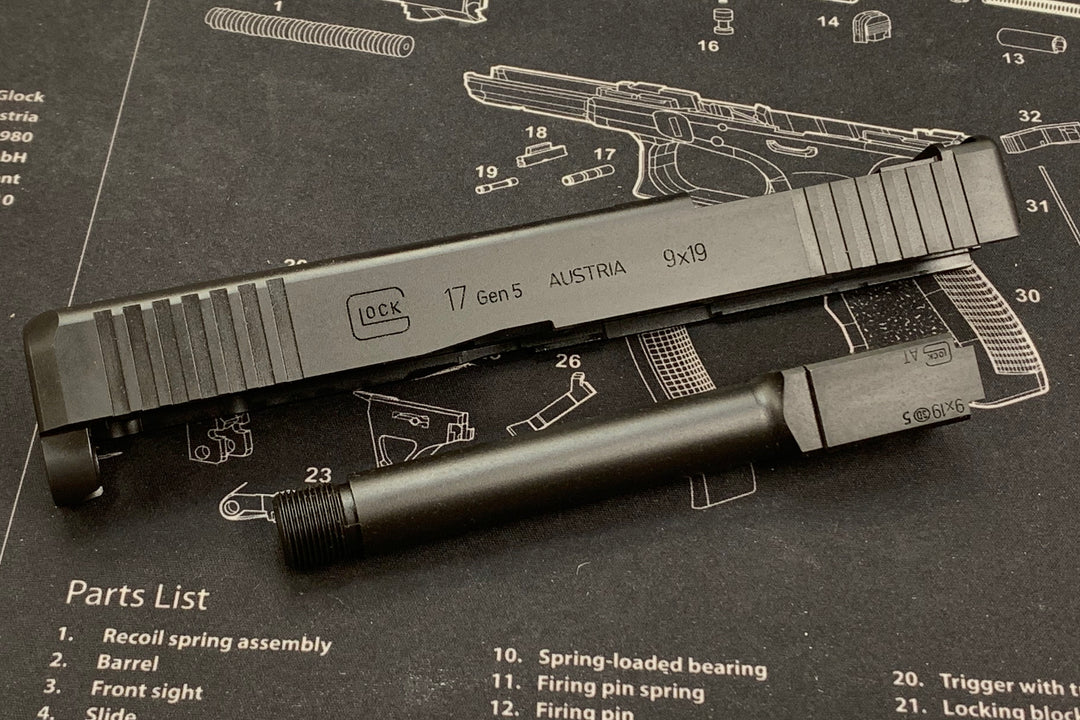
Still, fitment is everything. A slide needs to match the exact Glock model and generation. A Glock 19 Gen 3 slide is not the same thing as a Glock 17 Gen 5 slide, and buyers who gloss over that detail usually end up frustrated.
The biggest reason is optics readiness. Red dots are no longer niche upgrades reserved for competition guns. They have become common across range builds, duty-style setups, and everyday carry configurations.
An MOS slide gives you a way to modernize your pistol without guessing through a custom machining job. It can also preserve resale flexibility, especially for buyers who want upgrade potential but do not want to commit to one optic forever.
Performance is another driver. A well-made slide with the right optic setup can improve how quickly you pick up sights, especially under speed. Some shooters also prefer the added control that comes from enhanced slide serrations and premium machining features found on aftermarket options.
Then there is aesthetics, and that matters more than some people like to admit. A custom Glock build is often about function first, but a sharp slide profile, quality finish, and well-executed optic cut can completely change the personality of the pistol.
This is where the answer gets more nuanced.
An MOS slide is versatile. It is built to accept multiple optics through a modular system, which is great for shooters who want flexibility. It is also easier to buy off the shelf. If you want to get up and running fast, that convenience matters.
A custom milled slide is more specialized. It is cut specifically for a certain optic footprint, which usually gives you a lower mount and often a more streamlined fit. Many experienced shooters prefer that setup because it can reduce height over bore and eliminate the need for an extra plate layer.
But custom milling has downsides. You are committing that slide to one footprint. If you change optics later, you may be stuck or forced into compromises. It also adds time and often more cost.
So which is better? It depends on the shooter. If you want broad compatibility and a simpler buying path, MOS makes a lot of sense. If you know your exact optic, care about the lowest possible mounting position, and do not plan to switch, a dedicated milled slide may be the stronger performance choice.
Before you buy, confirm the exact pistol model and generation. This is non-negotiable. Glock slides are not universally interchangeable across every frame and generation, and small fitment differences matter.
Next, check optic compatibility. Some slides are true MOS configurations using plates. Others are simply optics-ready slides with a specific direct-mount cut. Those are not the same thing, even if shoppers sometimes use the terms interchangeably.
Material and finish also matter. Look for quality machining, strong coatings, and reliable tolerances. A slide is not just cosmetic. It is a critical operating component that affects cycling, durability, and confidence at the range.
You should also think about your use case. A competition shooter may want aggressive serrations, window cuts, and a lighter top end. A concealed-carry user may prefer a cleaner profile with fewer external edges. One setup is not automatically better than the other.
A quality MOS slide can be extremely reliable when the slide, optic, screws, and mounting system are properly matched and installed. Problems usually come from poor hardware choices, bad installation, or incompatible parts, not from the MOS concept itself.
That said, adding an optic does add another variable. Screw torque matters. Plate fit matters. Recoil can expose weak installation practices fast. If you are going optics-ready, treat the mounting process like a serious part of the build, not an afterthought.
For that reason, buyers often do better with Glock-focused specialists who understand model fitment, optic interfaces, and the real differences between slide options. That expertise can save you from buying the wrong part the first time.
If you want the option to run a red dot without custom machining, an MOS slide is usually a smart move. If you are building a Glock around faster sight acquisition, modern optics compatibility, and a more refined top-end package, it is one of the most practical upgrades you can make.
If your pistol will stay iron-sight only forever, then maybe not. A standard slide can still do exactly what you need. But if there is even a good chance you will want an optic later, buying into an MOS-ready setup now often saves time, money, and hassle.
At Glock MOS Slide Shop, that is the real value of getting the slide right from the start. A well-matched MOS slide is not just a cut for an optic. It is a performance decision that shapes how your Glock handles, how fast you shoot, and how confidently the whole build comes together.
Choose the slide that fits your model, your optic plan, and your shooting style, and the rest of the build gets a whole lot easier.