
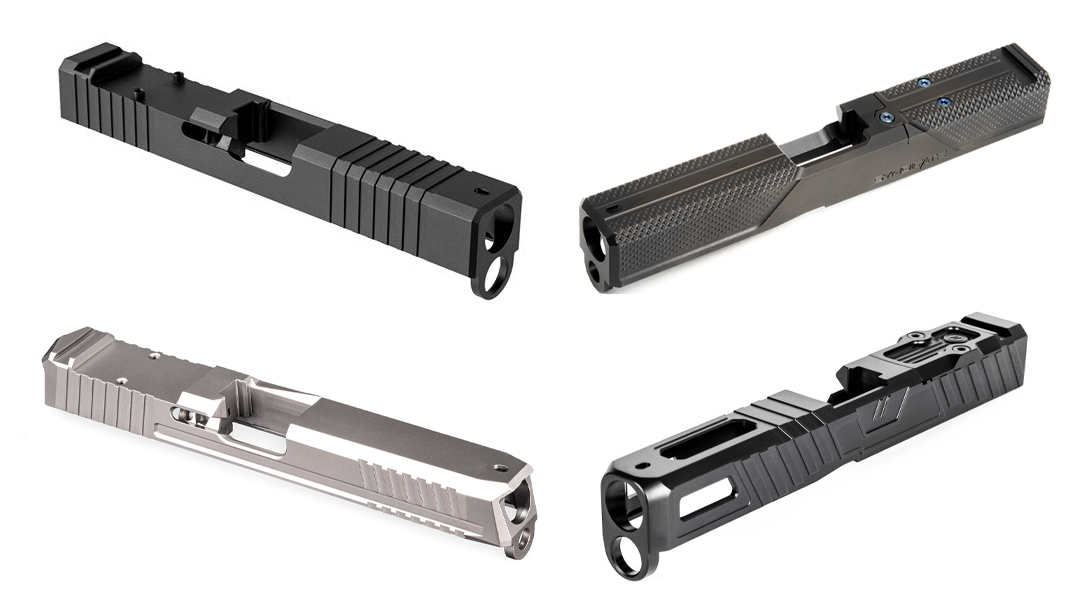
The best Glock slide for concealed carry is not always the lightest, the most aggressively cut, or the most expensive. It is the one that gives you fast sight acquisition, dependable cycling, clean fitment, and carry-friendly dimensions without adding drama to a pistol that may need to work under real pressure. That means your choice should be driven by model compatibility, optic setup, slide weight, and how the pistol actually carries on your body every day.
For most concealed-carry owners, the slide is where performance upgrades either make sense fast or go sideways fast. A well-built slide can improve your draw-to-first-shot confidence, give you a direct-mount optics solution, sharpen handling, and clean up the pistol’s profile. A bad one, or simply the wrong one for your Glock model and use case, can create reliability issues, holster problems, or extra bulk that defeats the whole point of carrying concealed.
Concealed carry puts different demands on a slide than competition or range use. You are not building for maximum flash or shaving every possible fraction of a second in a match. You are balancing concealment, reliability, durability, and practical speed.
The first factor is fitment. If the slide is not designed specifically for your Glock model and generation, nothing else matters. Glock owners often underestimate how important generation-specific machining is, especially when they start comparing Gen 3, Gen 4, and Gen 5 patterns or mixing barrels and internals. Tight, correct tolerances matter because concealed carry does not leave much room for trial-and-error reliability.
The second factor is optics readiness. A concealed-carry pistol benefits from a red dot when the setup is done right. Faster visual pickup and a cleaner focal plane can be a major advantage, but the slide cut has to be right. Direct-milled slides often give you a lower optic position and a more secure fit than generic adapter plate setups. For a carry gun, lower is usually better because it helps presentation feel more natural and can improve co-witness options.
The third factor is slide mass. This is where many buyers get distracted by styling. Window cuts and aggressive lightening cuts can look sharp, but too much removed weight can change recoil behavior and cycling, especially if the slide is paired with defensive ammo and stock internals. Some reduction in weight can help the gun feel quicker, but the best carry setup usually stays closer to proven operating balance rather than chasing the lightest possible package.
A carry slide should be easy to manipulate under stress, easy to maintain, and free from features that create unnecessary snag points. Front and rear serrations are usually worth having because press checks and administrative handling become easier. The key is moderation. Deep, sharp serrations can improve grip, but overly aggressive machining may rub cover garments or feel harsher during daily handling.
The finish matters more than many people think. A concealed handgun lives against the body, around sweat, lint, and temperature swings. Quality coatings help protect the slide from wear and corrosion while keeping the pistol looking clean over time. Good machining under a durable finish is part of what separates a serious carry upgrade from a cosmetic part.
You also want clean optic integration if you plan to run a dot. A bulky optic sitting high on the slide can work, but it is rarely the best answer for concealment. Lower-profile optics cuts paired with the right sight setup tend to carry better, draw smoother, and print less under clothing.
The best Glock slide for concealed carry depends heavily on which Glock you carry. A Glock 43 or Glock 43X owner is solving a different problem than someone carrying a Glock 19. Slimline carry guns reward compact, low-bulk slide choices that preserve concealability. Glock 19 carriers have a little more room to work with and often get the best mix of shootability and concealment, which is one reason that platform remains so popular.
If you carry a Glock 17, the slide decision becomes even more deliberate. A longer slide can shoot extremely well, but concealment becomes harder depending on body type, holster position, and wardrobe. In that case, the best slide may be the one that adds optics capability and better serrations without increasing overall complexity.
That is why model-specific shopping is so important. A quality slide built for your exact Glock gives you better odds of maintaining the reliability Glock owners expect while still upgrading performance where it counts.
This is one of the biggest decision points for serious buyers. MOS-style systems offer flexibility. If you think you may change optics later, a modular setup has obvious appeal. It gives you options without committing the slide to a single footprint.
But flexibility comes with trade-offs. Plate systems can add height, add another interface, and create more variables in a pistol meant for defensive use. Direct-milled slides are often the stronger concealed-carry choice because they keep the optic lower and simplify the setup. Less stack height can mean a more natural presentation and fewer opportunities for movement or loosening over time.
That does not make MOS wrong. It just means the better choice depends on whether you value modularity more than a lower, cleaner optic mount. If you already know which optic you trust and plan to stick with it, direct milled usually makes more sense for carry.
When buyers start comparing slides, it is easy to get pulled toward looks first. There is nothing wrong with wanting a slide that looks excellent on the gun. Glock owners appreciate clean lines, sharp machining, and a custom finish. But on a concealed-carry pistol, performance has to stay ahead of appearance.
Worth paying for are precise model-and-generation fitment, quality machining, optics compatibility that matches your intended sighting system, durable finish work, and serrations that improve control. These features affect how the pistol runs and how confidently you can use it.
Features you may not need include extreme window cuts, oversized profile elements, or ultra-light designs intended more for race-gun tuning than defensive carry. Those can make sense on certain builds, but they are not automatic upgrades for a pistol that lives in a holster and may be called on without warning.
A good rule is simple: if a feature makes the slide easier to run, easier to see through, or easier to carry without compromising reliability, it deserves attention. If it mostly changes the look while introducing more variables, think twice.
If you are a practical carrier who wants a dependable upgrade, look for a slide with clean front and rear serrations, a proven optic cut or iron-sight setup, and conservative weight reduction. This is the sweet spot for most people.
If you are a red-dot-first shooter, prioritize a direct-milled slide with a low optic position and backup sight compatibility. That setup tends to deliver the fastest real-world benefit.
If aesthetics matter as much as performance, choose a slide that combines premium machining and finish quality with sensible carry geometry. There is no reason a carry gun cannot look refined, but the design should still be built around function.
Shoppers comparing premium options from brands like Zaffiri Precision, Agency Arms, and Swenson should focus less on name recognition alone and more on how each slide handles optic fit, machining consistency, and carry-focused design. Precision matters. So does restraint.
The biggest mistake is buying a slide like it is a universal Glock part. It is not. Buyers get into trouble when they overlook generation compatibility, barrel fit, internal parts requirements, or optic footprint details. What looks close enough on paper can become a frustrating mismatch once parts hit the bench.
The other common mistake is overbuilding a carry gun. A concealed handgun should be predictable. If every upgrade changes recoil timing, sight height, holster fit, and maintenance needs at the same time, you are no longer refining the pistol. You are rewriting it.
That is where a specialist matters. A Glock-focused source like Glock Mos Slide Shop understands the details that actually affect carry performance, from model-specific cuts to optics-ready options that make sense for real use rather than just display value.
The right slide for concealed carry should disappear on your belt and show up exactly the way you need it when the moment matters. If your upgrade improves confidence without adding compromise, you chose well.