
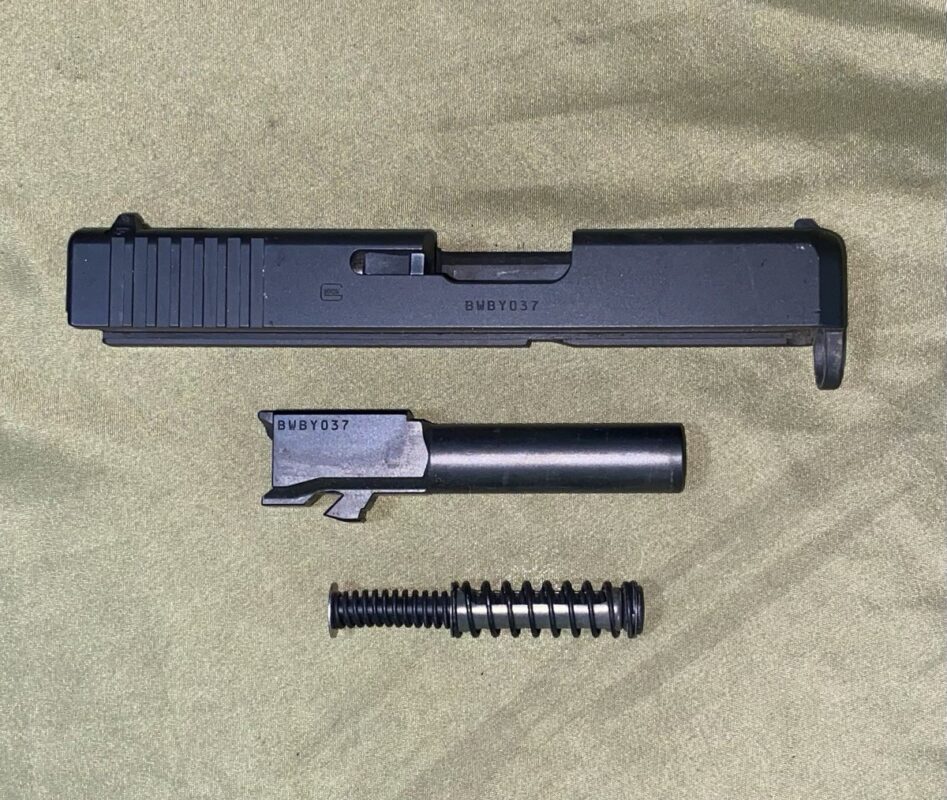
A Glock slide can change far more than how your pistol looks. It affects optic mounting, cycling speed, sight picture, front-end weight, holster fit, and long-term reliability. If you are figuring out how to choose Glock slide upgrades, the smart move is to start with fitment first and performance goals second. That order saves money, avoids compatibility problems, and gets you a setup that actually runs.
A lot of buyers shop slides backward. They see aggressive window cuts, a premium finish, or a favorite brand name and assume it will work across multiple Glock variants. It will not. Glock model, generation, barrel length, optic footprint, and internal parts compatibility all matter. Once those are locked in, then you can choose the features that match how you shoot.
The first question is simple: what Glock do you own? A slide for a Glock 17 Gen 3 is not the same as a slide for a Glock 19 Gen 5, and neither is interchangeable with slimline models like the Glock 43. Even when two pistols look similar, the locking geometry, dust cover length, recoil assembly design, and internal channel dimensions may differ.
Generation matters just as much as model. Glock changed frame and internals over the years, and those differences affect slide fit. Gen 3 remains one of the most popular upgrade platforms because aftermarket support is deep and broad. Gen 4 and Gen 5 buyers need to pay closer attention to product specs, especially around recoil spring assemblies and slide internals.
If you want the shortest path to a reliable upgrade, match your replacement slide to the exact model and generation listed on your pistol. That means no guessing, no assuming that a compact slide will fit another compact frame, and no treating “Glock-compatible” as a universal category.
Once fitment is clear, think about what you want the slide to do. For some owners, the priority is adding a red dot. For others, it is reducing reciprocating mass for faster follow-up shots, improving grip during manipulations, or building a cleaner custom look.
A carry gun usually benefits from a different slide setup than a competition pistol. Concealed-carry users often want dependable cycling, reasonable weight, durable finish, and an optic cut that does not create unnecessary bulk. Competitive shooters may lean toward windowed slides, aggressive serrations, and weight reduction to tune recoil impulse and improve transitions.
There is no single best answer here. A flashy slide with deep cuts may look excellent and feel faster, but lighter slides can be more sensitive to spring and ammo combinations. A heavier, simpler slide may be less exciting visually, yet often offers a more forgiving reliability envelope.
This is one of the biggest decision points for buyers researching how to choose Glock slide options. An MOS-style setup gives you optics-ready flexibility, usually through an adapter plate system. A direct-milled slide cuts the optic footprint into the slide itself for a more dedicated fit.
MOS-style slides are a strong choice if you want room to change optics later. They are convenient for shooters still deciding between optic brands or footprints. The trade-off is that plate-based systems can add stack height, which may slightly affect how low the optic sits and how naturally your backup iron sights co-witness.
Direct-milled slides appeal to buyers who already know the optic they want to run. They often give you a lower optic mounting position and a more purpose-built feel. The trade-off is less flexibility. If you switch to a different optic footprint later, the slide may no longer match your plan without additional work.
For many serious Glock owners, the right answer comes down to commitment. If you are still testing the red dot world, optics-ready versatility makes sense. If you already know your optic, a dedicated cut is often the cleaner performance move.
Slide design is not just cosmetic. Front and rear serrations affect how confidently you can press check, rack the pistol, or clear the gun under stress. Good serrations should feel positive without being so sharp that they become annoying during regular handling.
Window cuts and top cuts reduce slide weight, and that changes how the pistol cycles. Less reciprocating mass can help the gun feel flatter and faster, especially when paired with the right barrel, recoil spring, and ammunition. But this is where buyers can get ahead of themselves. A heavily lightened slide is not automatically better for every role.
On a range or competition build, slide cuts can make real sense. On a defensive or daily-carry setup, some shooters prefer a more conservative design that keeps debris exposure down and maintains a familiar recoil rhythm. The best slide is the one that matches the job, not the one with the most machining.
The finish on a Glock slide affects appearance, corrosion resistance, wear behavior, and how the pistol holds up to hard use. Nitride-style finishes, DLC-style coatings, Cerakote options, and other premium treatments each bring a different balance of hardness, lubricity, and visual appeal.
If your pistol sees frequent carry, sweat, range time, and holster wear, durability should outrank appearance. A premium black finish may be less flashy than bronze or FDE, but it often hides wear better and keeps a cleaner duty-ready look over time. On the other hand, a custom color finish is part of the appeal for many enthusiasts building a pistol that reflects their style.
This is one of those it-depends choices. A range-focused build can lean harder into custom aesthetics. A carry or training gun should put finish durability first.
A slide is only as good as the parts supporting it. Some buyers want a stripped slide because they already have internals, sights, and a barrel selected. Others want a more complete setup that reduces assembly guesswork.
If you are experienced with Glock builds, a stripped slide gives you flexibility. You can choose your preferred upper parts kit, barrel, suppressor-height sights, and recoil assembly. If you are newer to the platform, a more complete slide package often saves time and lowers the chance of mixing incompatible parts.
Quality control matters here. Precision machining is only one piece of the equation. The slide still needs proper channel dimensions, clean optic cut tolerances, and dependable compatibility with quality internals. That is why specialized retailers like Glock Mos Slide Shop focus so heavily on exact model fitment and performance-driven product selection.
Not all aftermarket slides are built to the same standard. This is where brand reputation earns its keep. Well-known names like Swenson, Zaffiri Precision, and Agency Arms have followings because buyers care about machining consistency, feature design, finish quality, and real-world reliability.
You are not paying only for a logo. You are paying for tolerances, materials, cut quality, and design choices that influence how the pistol runs. That does not mean the most expensive option is always the right one. It means the cheapest unknown slide is rarely the smartest place to cut corners.
Look for clear model and generation fitment, detailed optic cut information, realistic product photos, and a design philosophy that matches your use case. If the product listing is vague, that is usually a sign to slow down.
Your intended use should make the final decision easier. For concealed carry, prioritize exact fitment, proven optic compatibility, durable finish, and a slide design that stays reliable with your carry ammo. Moderate serrations and sensible machining usually win here.
For a range pistol, you have more room to personalize. You can lean into custom finishes, windows, and more aggressive styling without worrying as much about daily wear or concealment.
For competition, speed and tuning become bigger factors. A lighter slide, direct-mount optic cut, enhanced serrations, and carefully matched internal parts can help the pistol feel faster and more responsive. Just remember that a race-oriented setup may ask more from your tuning process.
The strongest upgrade is the one that fits your actual shooting life. Buy for the role first, then the look. When the slide matches your Glock model, your optic plan, and the way you use the pistol, the result is more than a visual upgrade. It is a handgun that feels sharper, runs cleaner, and performs the way it should every time you press out on target.