
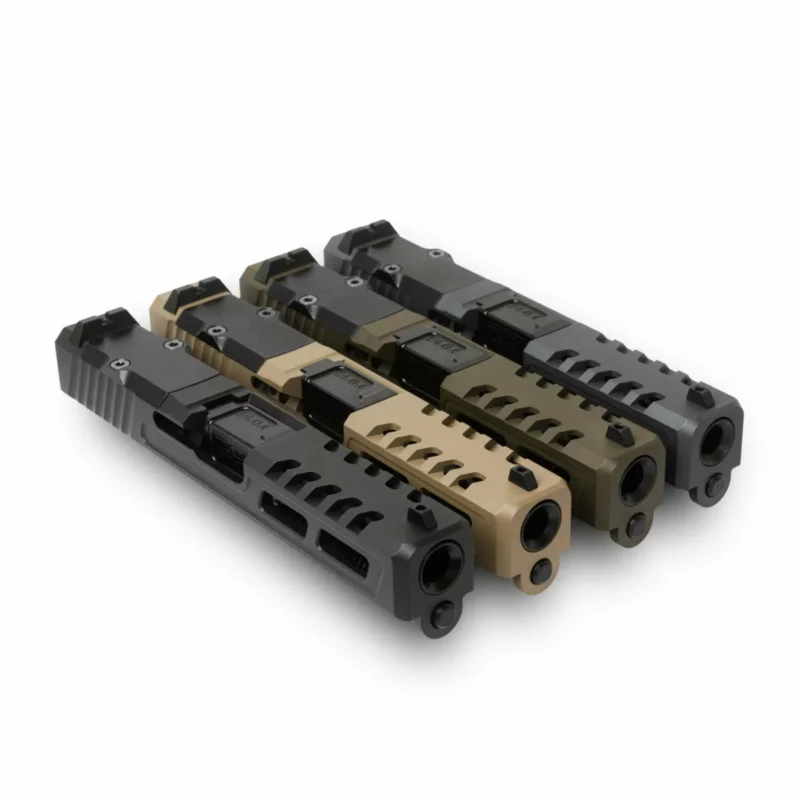
A Glock slide upgrade can either sharpen the whole pistol or turn a reliable setup into a troubleshooting project. That is why zaffiri precision glock slide fitment matters more than finish, window cuts, or optic footprint. If the slide does not match your exact Glock model, generation, barrel type, and internal parts setup, the result is usually poor cycling, inconsistent lockup, or a build that never feels quite right.
Zaffiri Precision slides are popular for good reason. They bring aggressive styling, optics-ready options, tighter machining, and strong aftermarket appeal for shooters who want both performance and visual impact. But aftermarket fitment is not the same as grabbing any slide marked for a Glock and expecting factory behavior. Glock platforms reward exact matching.
Fitment is really about how every moving part works under recoil. The slide has to travel smoothly on the frame rails, lock correctly with the barrel, support proper extractor function, and return to battery without hesitation. On a Glock-pattern pistol, those relationships are simple on paper but unforgiving when tolerances stack in the wrong direction.
A quality aftermarket slide is machined to precise specs, but your frame, internals, recoil spring assembly, and barrel all add their own variables. That means one shooter may install a Zaffiri slide and get flawless function immediately, while another needs a short break-in period or a parts change to get the same result. That is not automatically a defect. It is the reality of mixing components across factory and aftermarket ecosystems.
For buyers, the main point is this: fitment is model-specific first, generation-specific second, and parts-specific after that. Get those three areas right and the odds of a smooth build go way up.
The biggest fitment mistake is assuming a Glock 19 slide is just a Glock 19 slide. It is not. Glock model family matters, but generation matters just as much.
A Glock 17 Gen 3 slide is built around Gen 3 dimensions and internals. A Glock 19 Gen 4 slide introduces different recoil spring considerations. Slimline models like the Glock 43 are their own category entirely. Even where slides appear close in size, small design differences around recoil assemblies, nose profile, channel dimensions, and internal cuts can affect compatibility.
When evaluating Zaffiri Precision fitment, confirm the exact host platform first. That means the full model and the generation, not just the caliber or general size class. If your pistol is a Glock 19 Gen 3, shop specifically for that. If your build uses a compatible clone frame, verify that the frame follows true OEM Gen specs, because some aftermarket frames vary enough to change how a slide feels during cycling.
This is where specialized Glock retailers earn their keep. A general parts seller may list a slide broadly. A Glock-focused shop is more likely to separate offerings by exact fitment, which saves time and avoids expensive trial and error.
A slide can match the frame and still run poorly if the barrel fit is off. That is because the barrel and slide work as a locked unit for part of the firing cycle. Hood dimensions, lug engagement, and muzzle-end fit all influence reliability and accuracy.
With Zaffiri Precision, many buyers pair the slide with a matching barrel for the cleanest path to compatibility. That does not mean other barrels cannot work. Many OEM and aftermarket barrels will. But when mixing brands, tolerance stacking becomes more of a factor.
A tighter barrel-to-slide fit can improve lockup consistency and support better accuracy. The trade-off is that tighter setups may need a short break-in period, especially if the pistol is also running fresh recoil springs and brand-new internals. A looser setup may feel more forgiving out of the box, but it can give up some of that refined, fitted feel shooters are often chasing with premium slide upgrades.
If your build goal is maximum reliability for carry, many shooters prefer staying close to proven OEM-spec internals and recoil components. If your goal is a range or competition build with a custom look and optic cut, you may be more comfortable tuning around a tighter aftermarket setup.
One of the most misunderstood parts of zaffiri precision glock slide fitment is the role of slide completion parts. The striker assembly, extractor, channel liner, plunger, back plate, and recoil spring assembly all affect function. A good slide cannot compensate for weak or out-of-spec internals.
OEM Glock internals remain the baseline for reliability in many builds. They are proven, widely available, and usually the safest choice if your priority is consistent performance. Aftermarket internals can work well, but quality varies more than many buyers expect.
Recoil spring weight also matters. If the spring is too heavy for the ammo and barrel setup, the pistol may short-stroke or fail to eject consistently. If it is too light, the slide may cycle too violently or return to battery in a way that masks other fitment issues. This is especially relevant when running compensated barrels, ported slides, or optics that add mass.
The lesson is simple: when diagnosing fitment, do not blame the slide first. Look at the full operating system.
A major reason shooters buy Zaffiri Precision slides is optics readiness. That makes sense. A red dot can dramatically improve target acquisition, especially on defensive pistols and competition setups. But optic-ready fitment has two layers.
First, the slide itself must fit the pistol correctly. Second, the optic cut must match the optic or plate system you plan to use. Buyers sometimes focus so heavily on slide-to-frame compatibility that they forget to verify the optic footprint.
An RMR-cut slide is not a universal answer for every red dot. Some optics mount directly, others need plates, and some simply do not belong on that cut pattern at all. The wrong assumption here leads to poor mounting, loose screws, or an optic that sits higher than expected.
If you are building for hard use, lower optic mounting is usually preferred because it can improve sight picture and backup sight compatibility. If you are building for style and range performance, you may have more flexibility. Either way, optic fitment should be treated with the same precision as model and generation matching.
A correctly matched slide should move smoothly on the frame rails without grinding, binding, or excessive resistance. It should lock into battery cleanly, cycle by hand with confidence, and show consistent barrel lockup. Some new builds feel snug at first, and that alone is not a problem.
What you do not want is obvious drag, uneven wear marks after very limited hand cycling, repeated failure to return to battery, or erratic ejection once live fire begins. Those symptoms usually point to a mismatch in parts, tolerance stacking, or installation issues rather than a simple cosmetic imperfection.
A short break-in period is normal with some premium aftermarket setups. That said, break-in should smooth a good build, not rescue a bad one. If a slide requires force, feels rough in specific points of travel, or shows unreliable function after proper assembly and ammunition testing, something needs closer inspection.
The most common mistake is buying by appearance instead of specification. Window cuts, serration patterns, and finish options are easy to compare. The harder question is whether the slide is cut for your exact Glock model and generation.
The second mistake is mixing too many variables at once. A new slide, new barrel, new internals, new recoil spring, and a brand-new optic can create five possible causes if the pistol does not run correctly. Experienced builders often change one major variable at a time for that reason.
The third mistake is assuming all aftermarket frames and parts follow OEM dimensions closely enough to ignore brand differences. Some do. Some do not. On paper they are compatible. In hand, they may need more tuning.
For buyers who want a cleaner path, curated Glock-specific retailers like Glock Mos Slide Shop can reduce guesswork by keeping the focus on exact platform matching instead of broad aftermarket promises.
Start with the host pistol, not the slide design. Confirm model, generation, and whether your frame is OEM or aftermarket. Then choose the slide made for that exact platform.
Next, decide how much of the upper you are changing. If reliability is the top priority, keep the internal parts and recoil system as close to proven spec as possible. If you are building a more customized setup, expect that tuning may be part of the process.
Finally, be honest about the role of the pistol. A carry gun needs a different level of confidence than a range project. A competition setup may justify a tighter, more specialized combination. A defensive pistol should earn trust through function testing before it earns a spot on your belt.
A Zaffiri Precision slide can absolutely elevate a Glock build. The best results come when the fitment is treated like a performance decision, not just a cosmetic upgrade. Get the specs right first, and the style, speed, and shooting feel tend to follow.