If you are asking can you put a red dot on a non MOS Glock, the short answer is yes – and the best method depends on how serious you are about performance, durability, and long-term fitment.
A lot of Glock owners start with a standard factory slide, then later decide they want faster target acquisition, better sight tracking, or a cleaner defensive setup. That is where the confusion usually starts. MOS models are built for optics from the factory, but a non-MOS Glock is not locked out of the red dot game. You just need the right path.
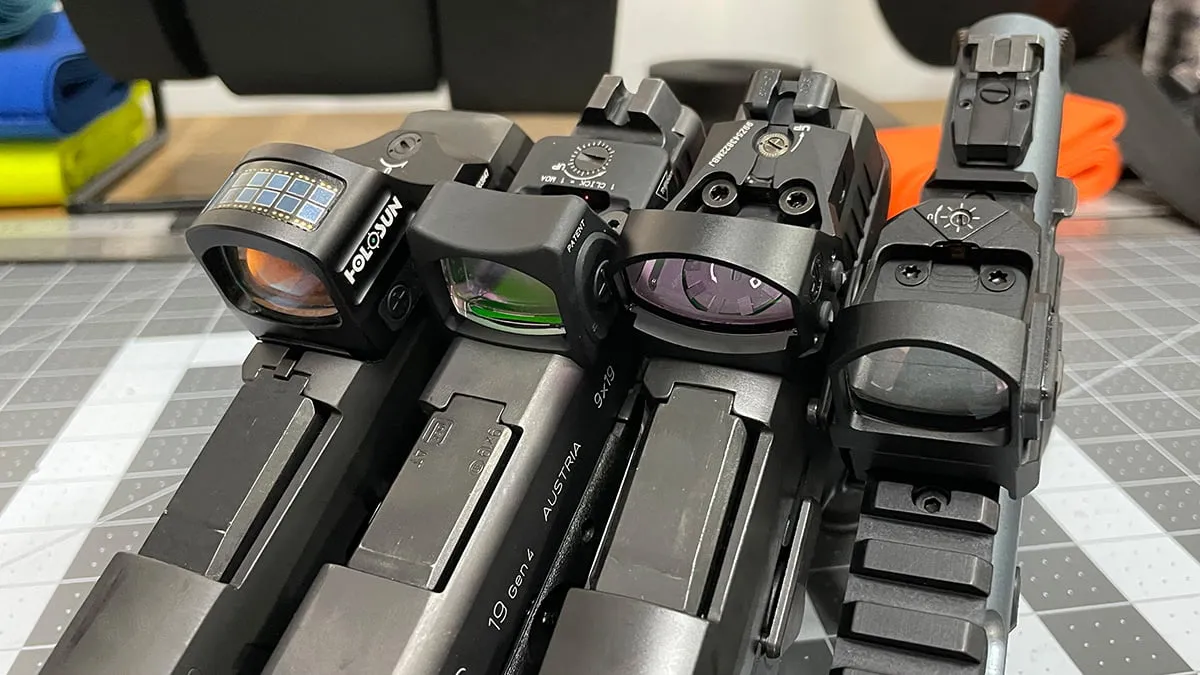
There are three common ways to mount an optic on a non-MOS Glock. You can use a dovetail mount that replaces the rear sight, have your factory slide professionally milled for a specific optic footprint, or replace the entire slide with an optics-ready aftermarket slide.
All three can work. The bigger question is what you expect from the pistol. A range toy, a concealed-carry gun, and a competition setup do not all need the same answer.
A dovetail plate slides into the rear sight cut and gives you a mounting point for a red dot without machining the slide. On paper, that sounds like the easiest solution. In some cases, it is.
For someone testing whether they even like pistol optics, a dovetail mount can be a low-commitment starting point. You do not have to alter the original slide, and installation is usually straightforward with the right tools.
The trade-off is performance. A dovetail mount usually sits higher than a direct-milled optic, which can affect presentation, sight picture, and concealability. The added height can also make backup iron sight setup more awkward. More importantly, it is generally not the strongest or most refined mounting solution for a hard-use pistol.
If your Glock is primarily a range gun and you want a temporary way to try a red dot, a dovetail mount may be enough. If this pistol is meant for serious carry, regular training, or competition, most shooters eventually move beyond this setup.
Professional slide milling is the gold standard for putting a red dot on a non-MOS Glock. This process machines the slide to accept a specific optic footprint, allowing the sight to sit lower and lock in more securely than most plate-based alternatives.
That lower mounting position matters. It helps the gun point more naturally, improves recoil control visually, and often makes it easier to co-witness with suppressor-height irons. You end up with a setup that feels more integrated, not just attached.
There is a catch, and it is an important one. A milled slide is usually cut for a specific optic pattern, or sometimes a very limited family of footprints. If you change your mind later and want a different red dot that does not share that footprint, your options may narrow fast.
That is why optic selection should happen before the machining. If you already know you want an RMR-pattern optic, a Holosun 507C-type footprint, or a micro optic for a slimline Glock, direct milling makes a lot of sense. If you are still undecided, you may want more flexibility.
For many Glock owners, replacing the slide is the cleanest answer. An optics-ready slide gives you red dot compatibility without permanently modifying your factory slide, and it can also open the door to better serrations, window cuts, improved coatings, and a more refined overall look.
This route makes a lot of sense if you care about both function and customization. A quality aftermarket slide can be built around specific Glock generations and models, with optic cuts designed for serious use and tighter attention to fitment than generic adapter systems.
It also gives you a practical advantage. You can keep your original slide untouched and swap back if needed. That is appealing for owners who want an upgrade without sacrificing factory parts or resale flexibility.
For buyers already shopping for better optics compatibility, improved aesthetics, and performance-minded features, this is often the path that checks the most boxes.
The right answer depends on how the pistol will actually be used.
If you are experimenting and want the cheapest entry point, a dovetail mount can get you on the range. If you want the strongest, lowest, and most duty-ready mounting solution, slide milling is hard to beat. If you want optics readiness plus a broader visual and performance upgrade, a replacement slide often delivers the best balance.
Budget matters too, but cheap and cost-effective are not the same thing. A low-cost mount that loses zero, sits too high, or creates reliability concerns can become the expensive option in a hurry. On a pistol, mounting integrity matters.
A lot of buyers focus on whether the Glock is MOS or non-MOS, but the optic itself matters just as much. Not all red dots share the same footprint, screw pattern, deck height, or body dimensions.
That means you need to match three things correctly: your exact Glock model, your generation, and your optic footprint. A Glock 19 Gen 3 setup is not automatically the same as a Glock 17 Gen 5 setup. Slimline models bring their own fitment considerations, and the wrong assumptions can turn a simple upgrade into a frustrating parts chase.
This is where model-specific product knowledge matters. General handgun advice is not enough when you are dealing with slide cuts, tolerances, and optic compatibility.
It can, but not because the frame says non-MOS. Reliability issues usually come from poor machining, weak mounting hardware, bad screw fitment, wrong plate tolerances, or sloppy installation.
A well-cut slide with the proper optic and correct screw length can run extremely well. A badly matched setup can create problems no matter what logo is on the slide. That is why serious shooters pay attention to machining quality, recoil lug engagement, thread fit, and the overall strength of the mounting interface.
You should also think about iron sights, holster compatibility, and recoil spring behavior if you are making larger changes to the upper assembly. Most red dot conversions are straightforward, but the strongest builds come from treating the system as a whole, not as a single add-on.
Sometimes, yes. If you are buying a new pistol and know you want an optic right away, an MOS model gives you a factory optics-ready starting point. That can be convenient.
But that does not automatically make it the better setup. Many experienced Glock owners prefer a direct-milled slide over the factory MOS plate system because it can provide a lower optic position and a more secure interface. Others prefer a dedicated aftermarket slide because it combines optics readiness with upgraded styling and performance features.
So if you already own a non-MOS Glock, there is no reason to treat it like a dead end. In many cases, it can become an even more dialed-in optic host than a factory MOS pistol, depending on the parts and workmanship you choose.
Yes, you can absolutely put a red dot on a non-MOS Glock. The real decision is whether you want a temporary experiment, a permanent precision upgrade, or a full slide transformation.
For casual testing, a dovetail mount gets the job done. For the best direct mount, milling is the serious option. For owners who want optics readiness, model-specific fitment, and a more complete performance upgrade, a purpose-built optics-ready slide is usually the strongest long-term move.
That is why so many shooters skip the compromise and build the slide they actually want. When the optic sits right, the fitment is correct, and the platform is matched to your Glock, the gun feels faster, cleaner, and more confident every time it comes up on target.
If your non-MOS Glock already runs well, you do not need to replace the pistol to modernize it. You just need to upgrade the part that matters most.