
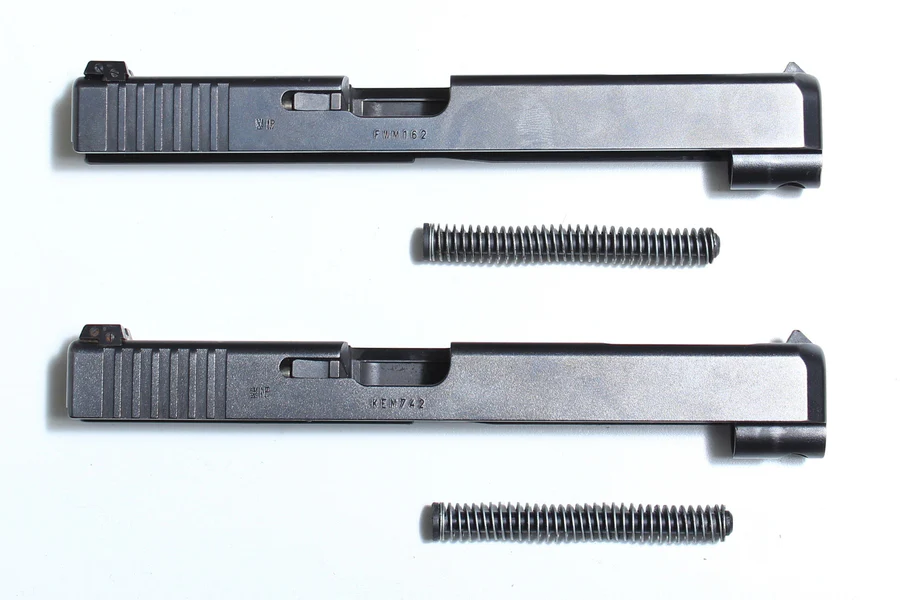
A good Glock 34 competition slide does two things at once – it helps the pistol run hard under match pressure, and it gives the shooter a cleaner, faster visual picture shot to shot. That is why serious Glock owners do not shop this upgrade by looks alone. On a long-slide platform built for accuracy and speed, the details matter: generation fitment, optic cut, window pattern, internal machining, and how the slide works with your barrel and recoil setup.
The Glock 34 already starts in a strong place for competition. Its longer slide and barrel length give shooters a sighting advantage with irons, a balanced recoil impulse, and a profile many people trust for USPSA, range work, and performance-focused builds. But factory is not always the final form. A purpose-built competition slide can reduce reciprocating mass, improve optic mounting options, and give the pistol a more refined feel without turning it into a finicky range toy.
The point of changing the slide is not just to make the gun look aggressive. On a competition-oriented Glock 34, the slide should support faster target acquisition, more consistent cycling, and better overall handling. That usually starts with machining.
Strategic window cuts and top cuts can trim weight from the slide, which may help the gun track flatter depending on your ammo, recoil spring, and compensator status. Lighter is not automatically better, though. Remove too much mass without tuning the rest of the system, and you can create reliability issues, especially with lower-powered range ammunition or mixed loads.
An upgraded slide also changes how you mount optics. For many shooters, that is the biggest practical benefit. A slide cut for popular red dots can put the optic lower than some factory adapter-plate systems, which often improves presentation and co-witness potential. If your goal is a cleaner, stronger optic setup on a Glock 34, the right slide matters more than people think.
Before you compare serrations, ports, or finishes, verify fitment. This is where many buyers get burned. A Glock 34 slide is not a universal Glock part, and generation matters.
A Gen 3 Glock 34 slide is built around Gen 3 frame compatibility. A Gen 4 setup has different recoil system considerations. Gen 5 adds another layer with changes to internal geometry, barrel compatibility, and model-specific parts. If you buy based on appearance and skip generation details, you may end up with a slide that does not install correctly or needs additional parts to function as intended.
You also need to think beyond the slide itself. Are you reusing your current barrel? Are you planning to install suppressor-height sights for optic use? Do you need channel liner installation, a complete internal parts kit, or a specific recoil spring assembly? A clean build starts with matching the slide to the exact pistol generation and the supporting components around it.
This is one of the biggest decision points for anyone shopping a Glock 34 competition slide. Both paths can work, but they serve slightly different priorities.
An MOS-style setup gives you flexibility. If you like the option to change optics later, a plate-based system can make sense. It works especially well for shooters still deciding between footprint standards or those moving between range use and competition with different sighting preferences.
A direct-milled slide usually wins on strength and optic position. The red dot can sit lower, the setup often feels more integrated, and there are fewer parts involved between the optic and the slide. For a dedicated match pistol, that can be a real advantage. The trade-off is commitment. A slide milled for one footprint is less forgiving if you want to swap to a different optic family later.
For many buyers, the right answer depends on whether this Glock 34 is becoming a dedicated competition gun or a multi-role build. If it is a purpose-built match setup, direct milling is often the cleaner choice. If you want room to experiment, MOS-style flexibility may be worth it.
This is where performance and style meet, and where shoppers need to be honest about priorities. Front and rear serrations are practical. They improve press checks, slide manipulations, and overall grip under sweat, oil, or match stress. If you actually run your pistol hard, good serration geometry matters.
Window cuts are more situational. They can reduce slide weight and shift the recoil feel, which some shooters like. They also expose more of the barrel and change the visual profile of the gun. On a competition build, that may be exactly what you want. But more openings can also invite more fouling into the system, especially if you shoot in dirty conditions or go long between cleanings.
Top cuts can help reduce glare and shave some mass while keeping a balanced look. Some shooters prefer a slide with moderate machining rather than extreme weight reduction because it gives them a broader ammo reliability window. That is a smart approach if you are not planning to tune springs and loads around a very light slide.
Not all slides are equal even when they look similar in photos. The difference usually shows up in machining consistency, tolerances, and finish quality.
A well-made competition slide should be cut from quality steel, machined with tight control, and finished to resist wear from heavy cycling and repeated holster use. The coating matters because competition guns get handled hard. Sweat, carbon, solvent exposure, and repeated sight manipulations all punish the finish over time.
The real test is not whether the slide looks sharp out of the box. It is whether the optic cut is clean, the sight channels are properly machined, the internals fit correctly, and the slide cycles with the confidence you expect from a Glock-based platform. That is why serious buyers tend to stick with specialized Glock-focused sources rather than generic parts sellers.
A Glock 34 with the right slide can feel faster without feeling fragile. That is the sweet spot. You want a pistol that returns to target predictably, tracks cleanly through recoil, and still runs with the consistency Glock owners expect.
If the slide is lighter, you may notice a snappier cycle that settles quickly with tuned ammunition. If the optic sits lower, presentation can feel more natural and dot pickup more immediate. If the serrations are better designed, manipulations simply feel more positive. None of these changes sound dramatic on paper, but together they can make the gun feel more purpose-built.
That said, every performance gain comes with a setup question. A more aggressively cut slide may benefit from spring tuning. An optic-ready build may need taller sights. A barrel exposed by slide windows may shift the look you want from the build. Competition upgrades are rarely one-part decisions.
The best buying approach is simple: start with your exact pistol generation, your optic plan, and the role of the gun. Then narrow the slide based on machining style and how much tuning you are willing to do.
If you want a dependable range and match build with minimal hassle, choose a slide with proven generation fitment, quality optic machining, practical serrations, and moderate weight reduction. If you are building a more specialized race-oriented setup, you can go more aggressive on cuts and tune the recoil system around it.
This is also where a specialist retailer earns its keep. A Glock-focused source like Glock Mos Slide Shop can help buyers avoid the most common mistakes – wrong generation, wrong optic cut, incomplete parts planning, or choosing a slide that looks right but does not match the build goal.
A Glock 34 competition slide should make the pistol feel sharper, not more complicated. When fitment is right and the machining serves a real purpose, the result is a Glock that tracks faster, carries the optic the way it should, and looks every bit as serious as it shoots. If you build around performance first, the visual upgrade comes with it.